
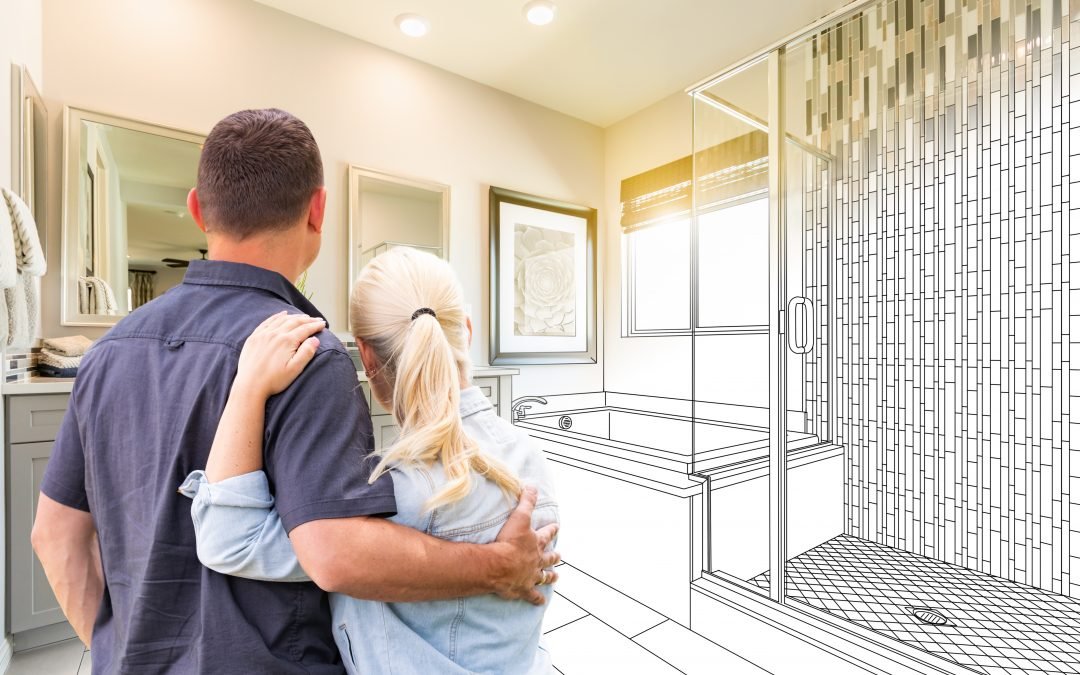
Upgrading your bathroom cabinets can sometimes bring unexpected water damage risks, turning a dream renovation into a costly headache. For homeowners in Savannah, GA, issues like mold, rot, and swelling can arise if cabinets aren’t properly protected during installation. This guide shares expert advice on choosing materials that resist moisture, sealing every joint, ensuring good airflow, and scheduling crucial checks. We’ll explore why cabinets fail, the best moisture-proof materials, expert installation methods, ventilation tactics, ongoing care, under-sink waterproofing, and Savannah-specific considerations—all to help you achieve a successful bathroom cabinet installation that stands the test of time. Reliance Cabinetry, renowned for its kitchen remodeling expertise, brings the same dedication to quality to your bathroom projects, helping you prevent water damage from the very start.
Why Are Bathroom Cabinets So Susceptible to Water Damage?
Bathroom cabinets are constantly exposed to high levels of moisture from steam, direct splashes, and general humidity around sinks and showers. This constant dampness can weaken wood or composite materials, making them prone to swelling, separation, and mold growth if not properly sealed. Understanding these vulnerabilities is key to ensuring your new bathroom cabinets can handle moisture effectively.
The main sources of moisture stress include:
- Constant humidity from hot showers and baths
- Splashes directly from the sink or countertop
- Hidden leaks from plumbing or fixtures
Each of these can gradually degrade cabinet materials, so it’s vital to address leaks, manage humidity, and protect surfaces before and during cabinet replacement.
What Causes Water Damage in Bathroom Cabinets?
Leaks under the sink, excessive steam, and accidental spills are the main culprits behind water damage to bathroom cabinets. A persistent small drip can cause water to pool at the base of the cabinet, leading to swelling at the edges and deterioration of protective finishes. Steam can condense on surfaces and seep into joints, while spills can quickly soak into unfinished wood or MDF, leading to rot or mold within hours. By tackling each of these causes with the right materials and sealing techniques, you can significantly reduce the risk of long-term damage.
Which Cabinet Materials Are Most Affected by Moisture?
Standard particle board, MDF, and untreated plywood readily absorb water due to their porous nature, allowing moisture to penetrate deep within the material. Once wet, these substrates can swell, warp, and delaminate, drastically shortening the cabinet’s lifespan. You’ll often see signs like lifting edge banding, bubbling veneers, and dark spots where mold begins to form on these vulnerable materials. Knowing these weak points will help you choose more durable alternatives.
How Does Water Damage Impact Cabinet Longevity and Health?
Water damage compromises the structural integrity of cabinets, encourages mold growth, and can create musty odors that affect indoor air quality. Swollen panels can crack paint and misalign hinges, causing doors to stick or sag. Mold spores can flourish in damp spaces, posing allergy risks and requiring expensive remediation. Preventing these issues not only extends the life of your cabinets but also contributes to a healthier home environment.
What Are the Best Water-Resistant Materials for Bathroom Cabinetry?

Selecting materials that resist water means their surfaces will repel moisture instead of soaking it up, preventing swelling, mold, and decay. Options like marine-grade plywood and PVC have dense, closed-cell structures that handle humidity and splashes much better than standard boards. For instance, marine-grade plywood maintains its shape even in steamy environments, making it an excellent choice for vanity bases and areas around the sink.
Marine-Grade Plywood
Marine-grade plywood is constructed using waterproof adhesives and is engineered to endure extended water exposure, making it ideal for bathrooms and other high-humidity zones. It resists delamination, warping, and fungal decay.
FA Mitchell, Marine plywood vs exterior plywood – what is the difference? (2022)
This source confirms that marine-grade plywood is a suitable choice for bathrooms due to its water-repellent qualities.
Here’s a comparison of top materials to help you decide:
| Material | Moisture Resistance | Key Benefit |
|---|---|---|
| Marine-grade Plywood | Very High | Maintains stability under prolonged humidity |
| Closed-cell PVC | Extremely High | Waterproof and simple to clean |
| Treated Solid Wood | High (with sealant) | Offers a natural wood look with added protection |
| Moisture-Resistant MDF | Moderate (with edge banding) | Cost-effective if properly sealed |
Which Materials Offer the Highest Moisture Resistance?
Marine-grade plywood, closed-cell PVC, and properly treated hardwoods like teak or oak provide the highest level of moisture resistance for bathroom cabinets. Marine-grade plywood uses waterproof glues and kiln-dried veneers that actively repel water. PVC sheets create a non-porous barrier that’s impervious to splashes, while sealed hardwoods offer a classic look with enhanced protection. Choosing these materials minimizes the risk of warping and prevents mold from growing inside your cabinets.
How Do Protective Finishes Like Polyurethane and Waterproof Paint Help?
Protective finishes create a seamless barrier that seals the wood grain, preventing moisture from penetrating and inhibiting microbial growth. Polyurethane varnish bonds to wood fibers and hardens into a durable shell that resists splashes and steam. Waterproof paints form a flexible film over composite boards and seal joints against vapor. Applying multiple coats and sanding between layers ensures a flawless shield that extends the life of your cabinets.
How to Compare Cabinet Materials for Durability in Humid Bathrooms?
When comparing materials, focus on three key aspects: their level of moisture resistance, how much maintenance they require, and their tolerance to environmental conditions.
- Resistance Level – Look for water absorption rates and edge swelling test results.
- Maintenance Needs – Determine if the finish needs annual re-sealing.
- Tolerance Range – Check their performance in temperatures between 60°F and 90°F and humidity above 70%.
Prioritize materials that offer high resistance with minimal upkeep to ensure your cabinets remain stable, especially in Savannah’s humid climate.
For examples of durable cabinet installations in local homes, see our Richmond Hill Kitchen Cabinetry projects, which showcase quality materials in moisture-prone environments.
How Can Expert Installation Prevent Water Damage During Replacement?
Professional installation ensures there are no gaps or weak spots where moisture can sneak in. Skilled installers precisely align panels, apply uniform caulk lines, and maintain proper spacing for ventilation. By incorporating sealing, fitting, and inspection techniques during the replacement process, contractors can stop water before it reaches vulnerable materials, ensuring your bathroom cabinets perform well for years to come.
What Are the Best Sealing Techniques Around Sinks and Vanities?
Effective sealing around sink openings and countertop joints involves using both silicone caulk and plumber’s putty. Apply a bead of mildew-resistant silicone caulk where the sink edge meets the countertop, smoothing it with a wet finger to create a watertight seal. Use plumber’s putty under drain flanges to prevent leaks at pipe connections. This two-pronged approach stops water from dripping into the cabinet below.
Best Sealants for Bathrooms
Silicone and silicone-blend caulks are recommended for bathroom applications due to their excellent resistance to mold and mildew, as well as their waterproof properties. These sealants adhere effectively to surfaces like tile, glass, and metal.
The Home Depot, Types of Caulks and Sealants for Your Projects (2025)
This source offers valuable information on the most suitable types of sealants for preventing water damage in bathrooms.
How Does Proper Cabinet Fitting Minimize Water Intrusion?
A snug fit between cabinets and walls or floors reduces unsealed gaps where water can collect. Install base cabinets with a slight forward tilt to encourage water to drain toward the sink. Leave the recommended expansion gaps around vertical walls (typically 1/16 inch) to allow for material movement without cracking the sealant. These precise alignment practices help channel any spills safely away from the cabinet interiors.
Why Is Plumbing Inspection Crucial Before Cabinet Installation?
A thorough plumbing inspection is essential for identifying hidden leaks and loose fittings that could compromise your new cabinets.
- Check the P-trap and supply lines for any signs of corrosion or drips.
- Test drain connections under the sink by running water and carefully watching for any seepage.
- Confirm that the shut-off valves are working smoothly to prevent unnoticed leaks.
Addressing any plumbing issues before you install new cabinets ensures that your fresh materials won’t be exposed to water.
How Does Ventilation Help Protect Bathroom Cabinets from Moisture?

Good ventilation helps lower humidity levels, which in turn reduces condensation on cabinets. Exhaust fans, dehumidifiers, and passive vents work together to remove steam and stale air, keeping the relative humidity below 60%. By decreasing airborne moisture, ventilation systems prevent water droplets from forming on cabinet surfaces and seams, thereby reducing mold growth and material swelling.
What Are Effective Ventilation Solutions for Bathrooms?
The most effective ventilation strategies combine active and passive methods:
- Exhaust Fan – A fan sized appropriately (at least 1 CFM per square foot of floor area) effectively removes humid air and vents it outside.
- Dehumidifier – Portable units can maintain desired humidity levels when natural airflow is insufficient.
- Operable Windows – Even opening windows for a short time after showers helps clear out moist air.
Ventilation Solutions for Bathrooms
Effective ventilation solutions for bathrooms include exhaust fans, dehumidifiers, and operable windows, all designed to lower humidity and prevent mold growth. Humidity-sensing fans can automatically turn on when moisture levels rise.
Leviton Manufacturing, Humidity Sensors by Leviton Manufacturing (2024)
This source provides useful information on effective ventilation methods for preventing moisture damage in bathrooms.
How Does Ventilation Reduce Humidity and Prevent Mold Growth?
Ventilation lowers humidity by replacing indoor air with drier outdoor air or by cycling air through a dehumidifier’s moisture-removal system. Lower humidity levels make it difficult for mold spores to settle and grow on cabinet surfaces. By maintaining a relative humidity between 40% and 60%, cabinets stay dry enough to prevent fungal growth and structural damage.
When Should You Upgrade or Maintain Bathroom Ventilation Systems?
Consider upgrading or maintaining your ventilation system if you notice any of these signs:
- Mirrors that stay fogged up long after a shower
- Lingering musty odors inside cabinets
- Visible mold or mildew forming in ceiling corners
Regularly clean fan grilles, replace filters annually, and test the airflow to ensure your system is working at its best.
What Ongoing Maintenance Practices Prevent Moisture Damage in Bathroom Cabinets?
Consistent maintenance prevents small issues from escalating into major repairs. Daily habits like wiping up spills and weekly checks for soft spots help keep surfaces dry. Scheduled inspections can catch early signs of moisture intrusion, allowing for prompt action to preserve the integrity of your cabinets.
Which Daily Habits Help Reduce Moisture Buildup?
Incorporate these simple daily habits to minimize dampness inside your cabinets:
- Wipe down countertops and sink areas after each use.
- Place absorbent mats inside base cabinets to catch any drips.
- Leave under-sink cabinet doors slightly ajar when not in use to allow for air circulation.
These easy steps help reduce standing water and promote drying.
How to Perform Periodic Leak and Damage Inspections?
Inspect your cabinets monthly for these telltale signs of trouble:
- Discoloration or dark patches on wood or laminate surfaces
- Swelling or warping along the edges of panels
- Musty or mildew odors when you open the cabinet doors
Catching these indicators early allows you to reseal joints or replace damaged sections before mold can spread.
When Should You Call Professionals for Water Damage Repair?
Contact a professional if you discover any of the following:
- Structural soft spots that compromise cabinet stability
- Extensive mold growth requiring professional remediation
- Widespread veneer delamination or severe swelling
Expert intervention can restore your cabinets’ health and address any hidden hazards behind walls.
How to Waterproof Under the Bathroom Sink During Cabinet Replacement?
Waterproofing the area under the sink is crucial, as it’s the most vulnerable spot in any cabinet. Sealing pipe connections and lining the cabinet floor creates a barrier that directs drips away from the cabinet materials. A fully waterproofed under-sink base can prevent minor leaks from causing long-term damage.
What Sealants and Liners Are Best for Under-Sink Waterproofing?
Silicone caulk and waterproof cabinet liners offer reliable protection under sinks. Apply mildew-resistant silicone around pipe openings and along cabinet seams. Fit a molded, non-abrasive waterproof liner on the cabinet floor to catch drips and make cleanup easier.
How to Properly Seal Pipe Connections and Cabinet Bases?
Start by applying plumber’s putty around the drain flanges before tightening them to the sink’s tailpiece. Then, run a continuous bead of silicone caulk around all pipe openings and wall junctions inside the cabinet. Finally, press a waterproof liner onto the cabinet floor, trimming it precisely around pipe fittings to ensure complete coverage.
What Are Common Mistakes to Avoid When Waterproofing Under the Sink?
Steer clear of these common errors that can weaken your under-sink protection:
- Leaving gaps between the liner and the cabinet walls
- Using standard caulk instead of mildew-resistant formulas
- Forgetting to use plumber’s putty under drain fittings
Correcting these mistakes upfront ensures a truly waterproof under-sink area.
What Local Factors Affect Bathroom Cabinet Water Damage Prevention in Savannah, GA?
Savannah’s warm, humid climate and its coastal location present unique challenges for bathroom cabinetry. High humidity levels year-round, salty air, and frequent storms require specific material choices and maintenance strategies. By understanding these local conditions, homeowners can select cabinets that are built to withstand Savannah’s environment.
Here’s a look at Savannah-specific factors and recommended actions:
| Local Factor | Effect on Cabinets | Recommended Action |
|---|---|---|
| High Humidity (70–80%) | Speeds up swelling and mold growth | Use marine-grade materials and install a dehumidifier |
| Salt Air Exposure | Corrodes metal hardware | Opt for stainless steel hinges and knobs |
| Frequent Coastal Storms | Increases indoor moisture intrusion | Seal windows and upgrade exhaust fan capacity |
How Does Savannah’s Humidity Impact Cabinet Material Choices?
Savannah’s average relative humidity, often exceeding 70%, accelerates moisture absorption in porous materials. This climate calls for closed-cell substrates like PVC or marine-grade plywood instead of standard boards. Combining these materials with protective finishes and active ventilation helps prevent cabinets from warping in coastal conditions.
Humidity and Mold Growth in Savannah, GA
Savannah’s humid subtropical climate, with average humidity levels frequently above 70%, creates an ideal environment for mold and mildew growth. If not managed, this can lead to structural damage and health concerns.
Hubbard’s Maid Service, Summer Home Maintenance: Regular Cleaning Matters in Savannah’s Humidity (2025)
This source highlights the impact of Savannah’s climate on homes and emphasizes the importance of moisture control.
Where to Find Trusted Local Contractors for Plumbing and Ventilation Inspections?
Look for Savannah-based professionals who are accredited by local home builders associations or recommended by neighbors. Check reviews for specialists in bathroom remodels and water damage prevention. Whether you need a plumbing leak test or an exhaust fan upgrade, local experts can ensure inspections meet city codes and address region-specific challenges.
What Are Savannah-Specific Tips for Long-Term Bathroom Cabinet Protection?
In Savannah, protect your cabinets year-round by:
- Running exhaust fans during storms to vent out damp air
- Scheduling quarterly servicing for your dehumidifier
- Re-sealing cabinet edges and countertops every 12–18 months
These locally tailored practices help maintain your cabinets’ appearance and performance in Savannah’s humid climate.
Replacing your bathroom cabinets doesn’t have to mean risking water damage. By carefully selecting materials, ensuring precise sealing, maintaining proper ventilation, and practicing regular upkeep, you can safeguard your investment. Combining moisture-resistant materials with professional installation techniques and an understanding of local climate conditions will ensure your cabinets remain durable and your bathroom stays healthy for years to come. Trust Reliance Cabinetry’s proven methods to protect your investment and enjoy a worry-free bathroom remodel.

- Essential Tips to Determine Your Kitchen Cabinet Replacement Budget in Savannah, GA - May 18, 2026
- Discover the Average Cost of Kitchen Cabinet Replacement in Savannah, GA: A Comprehensive Guide - April 11, 2026
- 5 Key Factors to Consider When Setting Your Kitchen Cabinet Replacement Budget - April 2, 2026
