
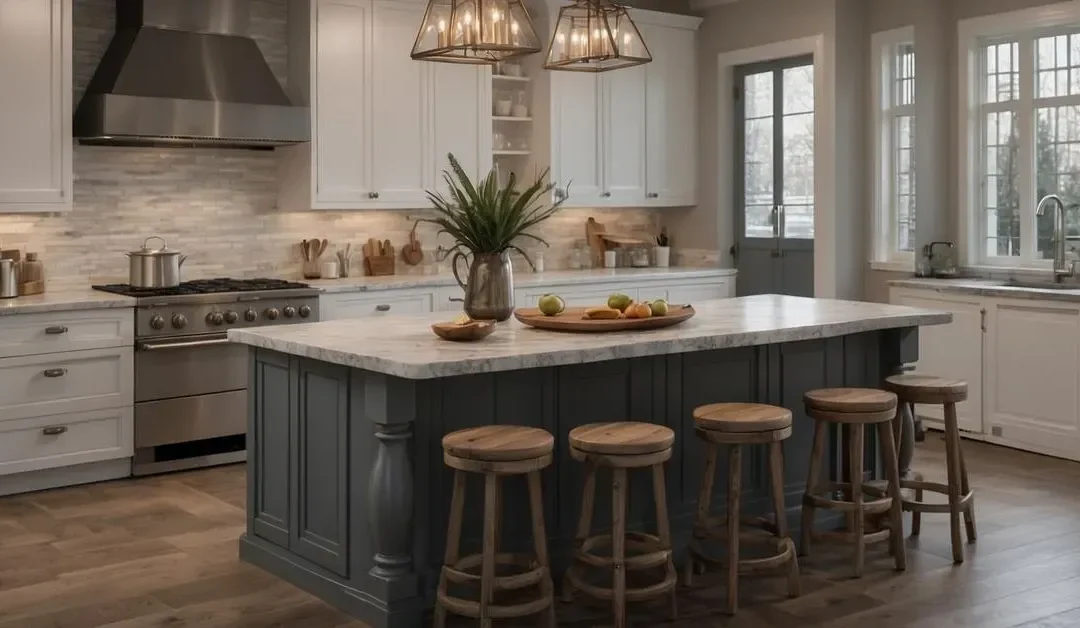
Setting a budget for replacing kitchen cabinets is the first step. Knowing the main costs—materials, labour, and regional pricing, helps you avoid surprises. This guide breaks down those drivers and offers practical ways to optimise your spending while addressing design and customisation choices.
What Are the Main Costs Involved in Kitchen Cabinet Replacement?
Plan around three core costs: materials, labour, and installation. Each can move your total budget, so assess them before you decide.
How Do Cabinet Materials Affect Replacement Costs?
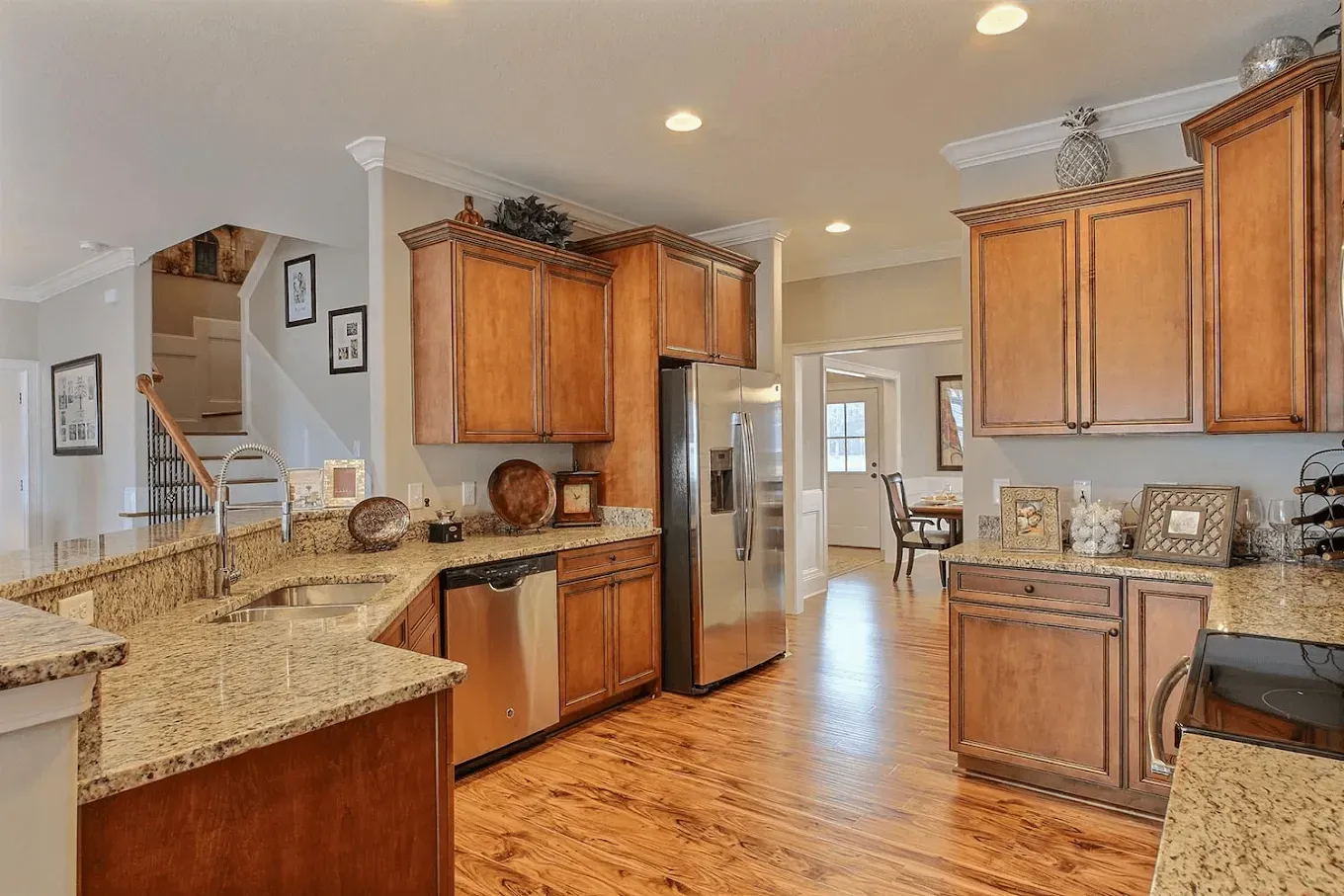
Material choice drives price and lifespan. Plywood, particleboard, and solid wood differ in cost and quality. Solid wood costs more but lasts longer and generally looks better; particleboard is cheaper but less durable. Match the material to your budget and priorities.
What Are Typical Labor and Installation Expenses?
Expect $50 to $150 per hour for professional installation. Complexity, contractor experience, and region all affect rates. Get multiple quotes and include labour in your overall budget.
How to Plan Your Kitchen Cabinet Budget Effectively?
Budgeting well means setting priorities, researching costs, and factoring in design choices. Use these steps to build a realistic plan that fits your needs.
What Design and Customization Options Influence Budgeting?
Custom cabinets made to your specs usually cost more. Stock or semi-custom options are more budget-friendly while still offering some personalisation. Decide how much customisation matters before you spend, and factor that into your timeline and lead times.
Also plan for hidden costs that can appear once work begins.
How to Account for Hidden Costs in Cabinet Replacement?

Hidden costs often include extra hardware, structural repairs, or plumbing and electrical work. Do a thorough kitchen assessment and set aside a 10–20% contingency fund to cover surprises.
What Are Regional Pricing Trends for Kitchen Cabinet Replacement in Richmond Hill and Savannah?
If you live in Richmond Hill or Savannah, local pricing trends can significantly affect costs. Research market conditions before you finalise your budget.
How Do Local Market Factors Affect Cabinet Material and Labor Costs?
High local demand for renovations can push up material and labour prices. Check market conditions and consider scheduling your project in off-peak seasons to save where possible.
Why Is Understanding Regional Pricing Important for Budgeting?
Knowing local prices helps you set an accurate budget and avoid over- or underestimating costs. That awareness leads to better planning and potential savings.
How Can You Optimize Your Kitchen Cabinet Replacement Budget?
To optimise your budget, plan strategically and make informed choices that stretch your investment without sacrificing key goals.
Which Cabinet Materials Offer the Best Value for Cost?
Solid wood costs more upfront but typically lasts longer, making it a strong long-term choice. Laminate is cheaper initially but may need replacing sooner. Pick materials that suit both your budget and long-term plans.
What Are Tips to Balance Quality and Budget in Cabinet Replacement?
Balancing quality and cost takes planning. Try these practical steps:
- Research Options: Explore various cabinet styles and materials to find the best fit for your budget.
- Get Multiple Quotes: Obtain estimates from several contractors to ensure competitive pricing.
- Prioritize Needs: Identify essential features and allocate budget accordingly, focusing on what matters most for your kitchen.
- Consider DIY: If feasible, take on some installation tasks yourself to save on labour costs.
Follow these steps to manage your budget while still getting the look and function you want.
Compare material costs and trade-offs in the table below to help your decision.
| Cabinet Material | Average Cost per Linear Foot | Durability | Aesthetic Appeal |
|---|---|---|---|
| Solid Wood | $150 – $300 | High | High |
| Plywood | $100 – $200 | Medium | Medium |
| Particleboard | $50 – $100 | Low | Low |
This table shows the trade-offs between cost, durability, and appearance to help you choose the right material for your renovation.
If you want to boost your kitchen’s function and style, start by exploring options for “kitchen cabinets”. Quality cabinets lift the room’s look and usability.
For a fuller upgrade, consider “kitchen remodeling” services—these often include cabinet replacement, layout redesign, and appliance updates.
Knowing the costs of “kitchen cabinet replacement” helps you budget accurately. Material choice, design complexity, and installation all affect the total expense.
Frequently Asked Questions
What is the average return on investment (ROI) for kitchen cabinet replacement?
Average ROI varies but is typically about 70% to 80%. That means $10,000 spent could recoup $7,000 to $8,000 at sale. ROI depends on material quality, overall kitchen design, and local market conditions. Higher-quality cabinets can improve appeal to buyers.
How long does a kitchen cabinet replacement project typically take?
Most cabinet replacements take one to three weeks, depending on kitchen size, installation complexity, and any structural changes. The timeline covers removal, installation, and finishing. Plan ahead and coordinate with contractors to reduce delays.
Are there eco-friendly options for kitchen cabinets?
Yes. Look for sustainable materials like bamboo or reclaimed wood and for low-VOC finishes and adhesives. Eco-friendly choices lower environmental impact and can improve indoor air quality.
What are the benefits of semi-custom cabinets compared to stock cabinets?
Semi-custom cabinets sit between stock and fully custom options. They offer more flexibility in size, style, and finish than stock cabinets without the higher cost of full custom. Semi-customs often include adjustable shelving and specialised storage features.
How can I ensure my new cabinets match my kitchen’s overall design?
Define your desired style—modern, traditional, or farmhouse. Choose colours, materials, and finishes that complement your countertops and flooring. Bring samples to the showroom and consult a kitchen designer for a cohesive result.
What should I do if I encounter issues during the cabinet installation?
If problems arise, tell your contractor right away. If issues persist, document them with photos and notes and check your contract for warranties or guarantees. Address problems quickly to avoid delays and ensure the final installation meets your expectations.