

How Long Does It Take to Replace Kitchen Cabinets?
Most kitchen cabinet replacement projects take 6 to 12 weeks from design to final installation. The process typically includes 2–4 weeks for design and planning, 4–8 weeks for cabinet manufacturing, and 1–3 days for installation. Homeowners choosing stock cabinets may complete the project faster, while custom cabinetry, specialty finishes, permit requirements, or material delays can extend the timeline. In Richmond Hill and Savannah, GA, working with an experienced cabinet company can help minimize delays and keep the project on schedule.
Replacing kitchen cabinets requires both time and money. Knowing the typical timeline from design through installation helps homeowners plan and avoid delays. This guide breaks down each phase, how long it usually takes, and common obstacles to expect—so you can make informed decisions and keep your remodel on track in places like Richmond Hill and Savannah, GA.
What Are the Key Phases in Kitchen Cabinet Replacement?
Cabinet replacement usually follows three main phases: design, manufacturing, and installation. Each stage affects the look and function of the finished kitchen.
How Does the Design and Planning Phase Impact Project Duration?

The design and planning phase sets the project’s foundation. Clear choices on layout, materials, and finishes reduce back-and-forth and prevent costly changes later. Rushing this stage can create design flaws that add time during manufacturing or installation.
What Is the Typical Manufacturing and Delivery Time for Custom Cabinets?
Custom cabinet production typically takes 4 to 8 weeks, depending on design complexity and material selection. Manufacturer workload, finish choices, and delivery logistics also affect the schedule.
How Long Does Kitchen Cabinet Installation Usually Take?
Installation typically takes 1 to 3 days, depending on the number of cabinets, the kitchen layout, and any required modifications.
What Are the Step-by-Step Processes Involved in Cabinet Installation?
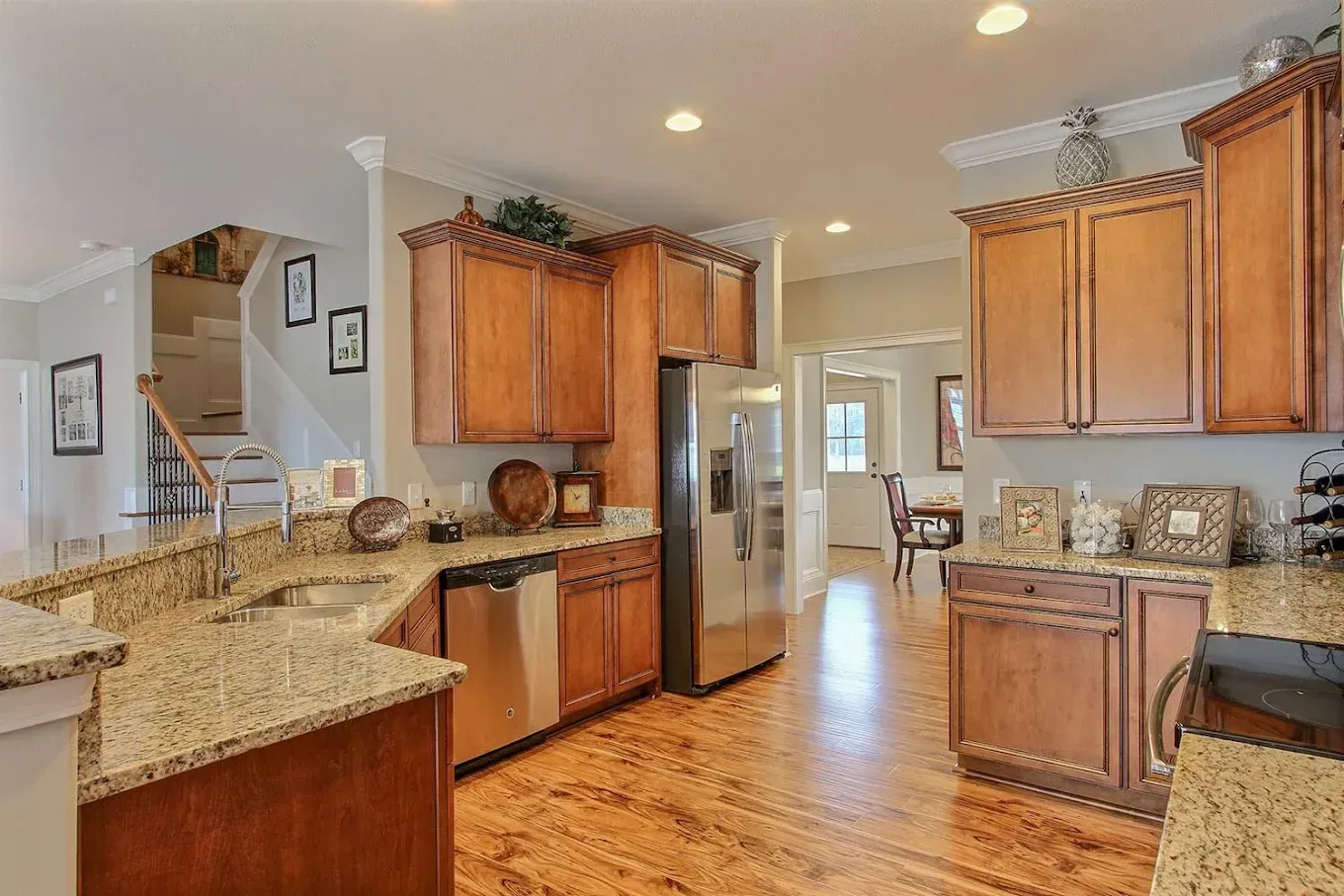
Cabinet installation follows a clear sequence of tasks to ensure a proper fit and finish.
- Preparation: This includes ensuring that walls are straight and that the area is clean and clear of any obstacles.
- Hanging Cabinets: The upper cabinets are typically installed first, using support brackets or shimming to ensure they hang level.
- Installing Lower Cabinets: Once the uppers are secure, lower cabinets are installed, ensuring consistency in alignment and leveling.
- Finishing Touches: After all cabinets are hung, adding trim, hardware, and adjusting the doors ensures everything operates smoothly.
A smooth installation improves kitchen function and reduces the need for later adjustments. Knowing these steps helps homeowners track progress on install day.
Can Cabinet Replacement Be Completed in One Day?
Yes—sometimes. Small jobs or simple replacements can finish in a single day if the space is ready and the installers are experienced. Most projects, however, take longer because unexpected issues can arise.
Which Factors Influence the Overall Kitchen Cabinet Replacement Duration?
Timeline factors include the level of customization, local scheduling conditions, and how efficiently the design and installation teams work together.
How Do Customization and Product Selection Affect Timelines?
Custom options add time. Unique finishes, bespoke sizes, or specialised storage features often require longer manufacturing. Stock cabinets are faster since they are usually ready to ship.
What Local Conditions in Richmond Hill and Savannah Affect Project Scheduling?
Local rules, permit requirements, and weather can all affect scheduling in Richmond Hill and Savannah. Homeowners should check local regulations and plan for possible weather-related delays.
What Is the Average Total Duration from Design to Installation for Kitchen Cabinet Replacement?
Most projects run about 6 to 12 weeks from initial design through final installation. Complexity, design choices, and contractor efficiency will shift that range. For full-service options that include cabinet replacement, see kitchen remodeling services.
What Are the Typical Timeframes Reported in 2025-2026 Remodeling Projects?
As of October 2023, recent reports do not predict median durations specifically for 2025–2026 kitchen remodels, including cabinet replacements. Variables like customisation and local market conditions influence timelines.
How Can Homeowners and Builders Manage Expectations for Project Scheduling?
Set realistic expectations by communicating clearly with contractors, allowing buffer time beyond initial estimates, and staying in regular contact with the design and installation teams to address issues promptly.
| Phase | Duration | Factors Affecting Time |
|---|---|---|
| Design and Planning | 2-4 weeks | Complexity of design, homeowner decisions |
| Manufacturing | 4-8 weeks | Material availability, production schedule |
| Installation | 1-3 days | Number of cabinets, existing layout modifications |
This timeline shows each phase can be managed to fit an overall remodel schedule. For homeowners in Richmond Hill and Savannah, GA, partnering with a professional like Reliance Cabinetry LLC can help streamline the process and secure quality cabinets plus expert installation. Explore their kitchen cabinets offerings to support a smooth transition from design to installation.
Frequently Asked Questions
1. What should I consider when choosing a kitchen cabinet style?
Think about your kitchen’s overall theme, how you use the space, and your maintenance preferences. Cabinet material, finish, and hardware shape the look and durability, so choose options that match your décor and daily needs. A design professional can help align style with function.
2. How does the kitchen layout affect cabinet installation time?
Complex layouts with many corners or angles take longer to fit and level than simple, open layouts. If the remodel requires plumbing, electrical, or structural changes, plan for extra time. Discuss your layout with installers to get a realistic schedule.
3. What are common challenges during kitchen cabinet replacement?
Typical issues include delivery delays, fit problems with existing spaces, and hidden structural or plumbing problems. Scheduling conflicts with contractors can also cause downtime. Clear communication and a flexible timeline help reduce stress and delays.
4. Are there any temporary solutions while waiting for new cabinets?
Temporary options include open shelving, portable storage carts, and maximising existing cabinet space. Decluttering helps keep essentials accessible, and some homeowners set up a temporary kitchen in another room for larger projects.
5. How can I ensure my new cabinets last longer?
Choose durable materials and appropriate finishes, clean with recommended products, and repair wear quickly. Avoid excessive moisture and heat, and use professional installation to prevent alignment and stability issues.
6. What financing options are available for kitchen cabinet replacement?
Financing options often include personal loans, home equity loans, and credit cards. Some contractors offer in-house financing or payment plans. Compare interest rates, terms, and monthly payments to find the best fit, and consider advice from a financial professional.
7. When is the best time of year to replace kitchen cabinets?
Spring and fall are often ideal due to milder weather and easier scheduling. Avoid peak summer months when contractors may be busiest; working off-peak can lead to better availability and potential savings. Being flexible with timing may improve pricing and service.