Your kitchen cabinets shape how the room works and looks. Over time they may show damage that makes replacement the smarter choice. Spotting warning signs early avoids costly repairs and keeps your remodel on track. This guide covers seven indicators to help you decide when to replace cabinets, plus water damage, mold, hardware issues, and budgeting tips for a smoother remodel.
How Can You Identify Structural Damage in Kitchen Cabinets?
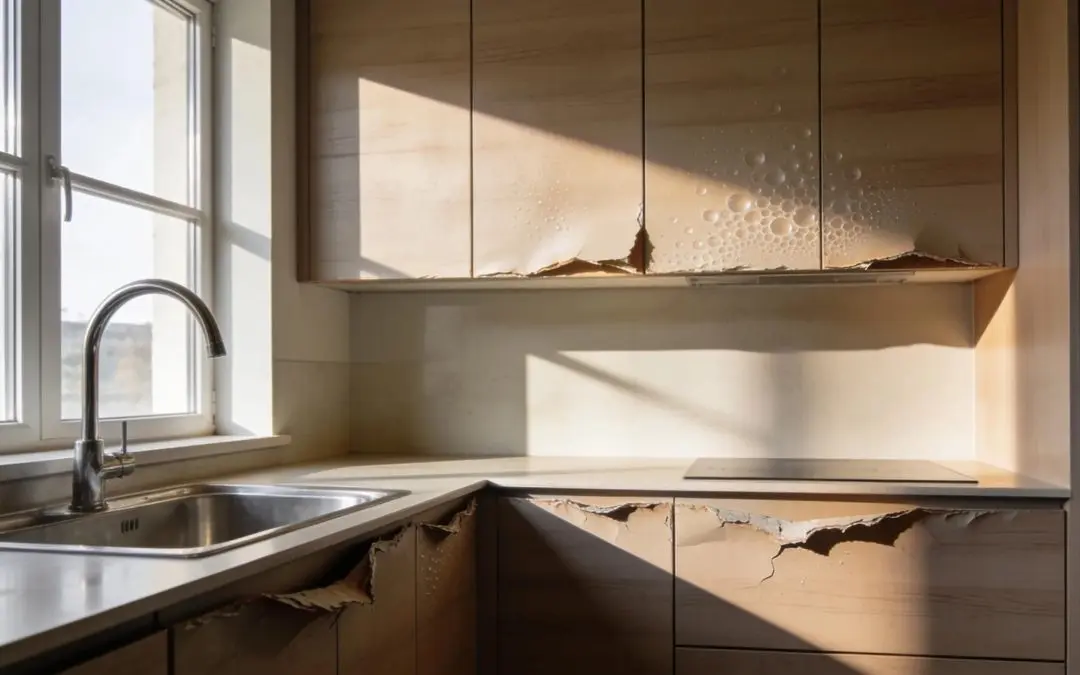
Check for warped wood, bubbling surfaces, or visible mold—common signs of structural damage. Moisture and poor ventilation often cause these issues, leaving soft spots in doors or frames. Inspect cabinets near sinks, dishwashers, and other moisture-prone areas regularly to catch problems early.
For homeowners in Richmond Hill and Savannah, monitoring cabinets is especially important before a remodel. Reliance Cabinetry LLC specializes in custom cabinetry and kitchen remodeling services, offering prompt assessment and solutions for damaged cabinets.
What Are Common Causes of Kitchen Cabinet Structural Issues?
Knowing common causes helps you prevent damage. Major culprits include:
- Water Damage: Prolonged wet conditions can warp wood and promote mold growth.
- Poor Installation: Incorrectly installed cabinets may shift over time, leading to structural compromises.
- Inadequate Ventilation: Lack of airflow can trap moisture and lead to decay.
Check your cabinets regularly—catching problems early keeps repairs small and avoids full replacements.
When Is Structural Damage a Signal for Replacement Instead of Repair?
Deciding to repair or replace depends on the extent of the damage and the cabinets’ age. Key indicators for replacement include:
- Extent of Damage: If significant parts, such as frames or doors, are compromised, repair might not be feasible.
- Age of Cabinets: Older cabinets nearing the end of their lifespan may be more cost-effective to replace than repair.
- Safety Concerns: Any damage posing potential safety risks should prompt immediate replacement.
If repair costs approach or exceed the price of new cabinets, replacement is usually the smarter choice.
What Are Key Signs of Water Damage and Mold in Kitchen Cabinets?
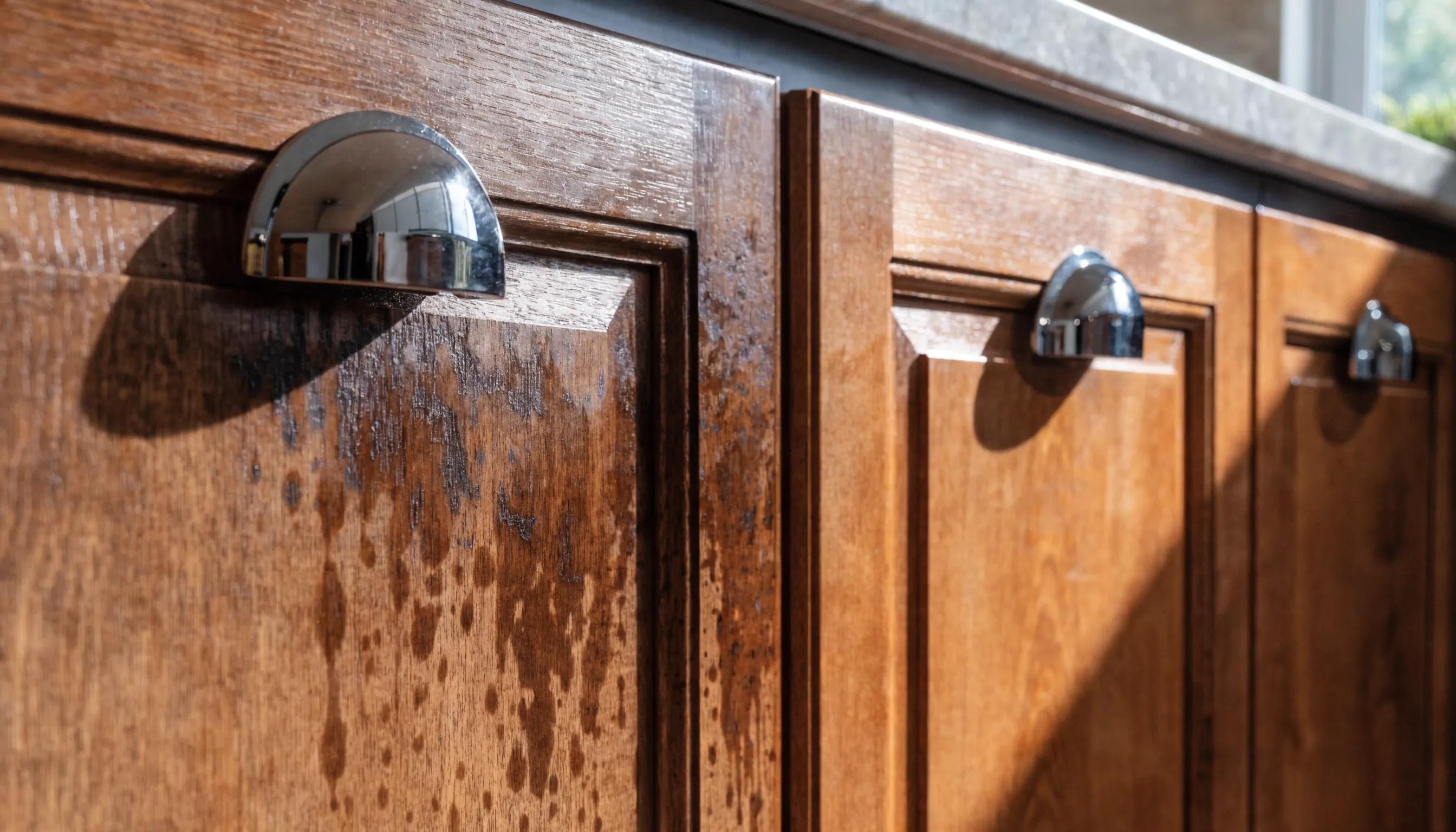
Water damage can seriously weaken cabinets, so watch for these signs of water issues and mold:
- Dark Patches: Dark stains on cabinet surfaces can indicate prolonged moisture exposure.
- Discoloration: Changes in cabinet color or peeling paint can signal underlying water issues.
- Odors: A musty smell often suggests mold presence, prompting immediate inspection.
Remove mold before remodeling to protect air quality and health. Regular inspections make it easier to spot and address problems early.
Why Is Mold Detection Crucial Before a Kitchen Remodel?
Finding mold before you remodel protects both your cabinets and your household’s health. Mold weakens materials and can force premature replacement. It also increases respiratory risks for sensitive people. Remediating mold before work starts keeps the site and future occupants safe.
When Should You Replace Cabinets Due to Functionality and Wear?
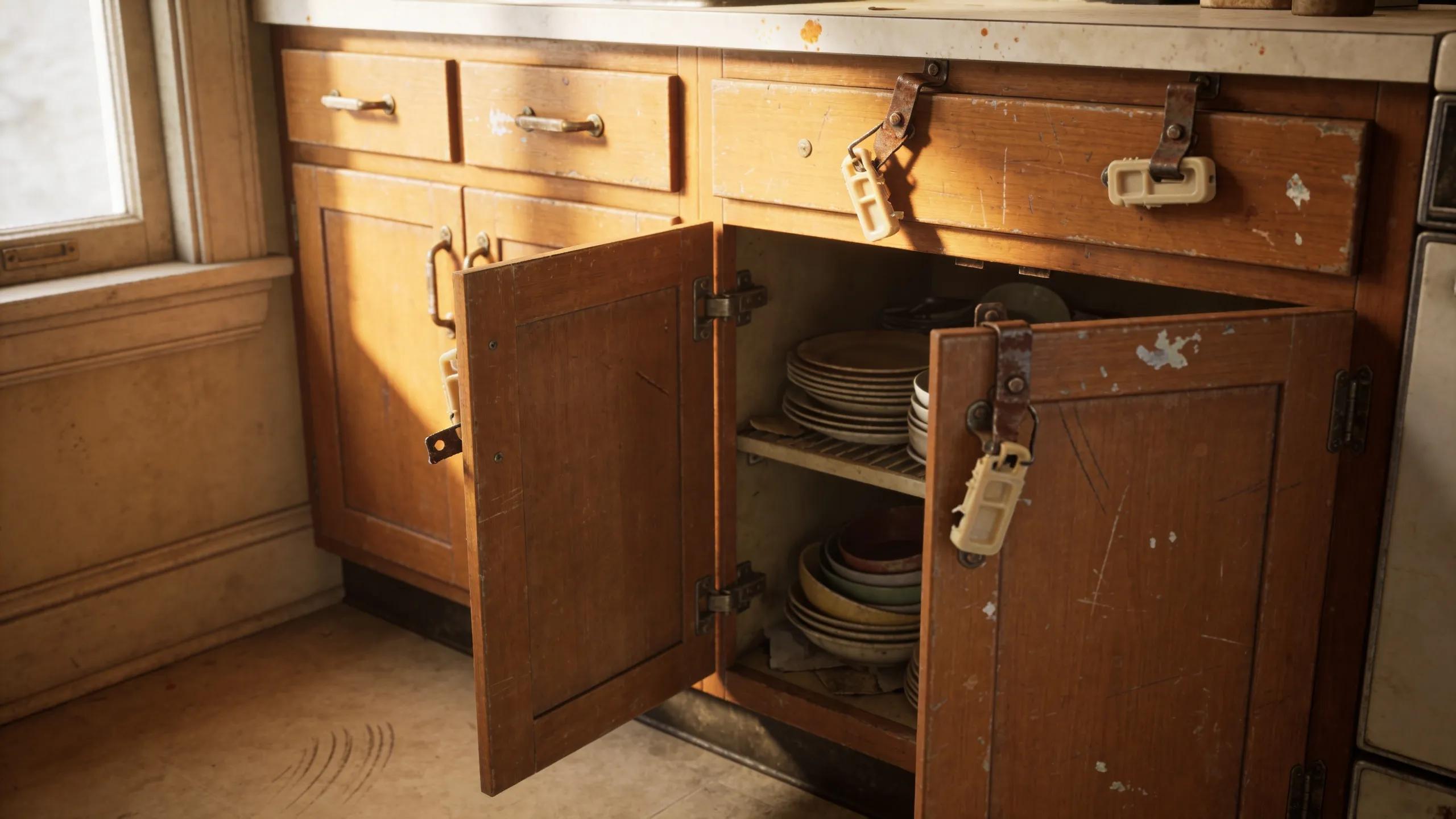
Wear and tear can reduce cabinet function. Look for these signs that replacement may be due:
- Visible Wear and Tear: Scratches, dents, and outdated aesthetics can detract from kitchen appeal.
- Frustrating Functionality: Drawers that stick or doors that don’t close properly signify deeper structural issues.
- Cabinet Age: If your cabinets are over 15 years old or have been through multiple repairs, it might be time for an upgrade.
Replacing faulty cabinets improves kitchen efficiency and makes the space more enjoyable to use.
What Are Common Signs of Hardware Problems and Cabinet Wear?
Check hardware as part of your inspection. Common indicators of hardware issues include:
- Sagging Hinges: This can lead to misalignment and functional inefficiencies.
- Damaged Pulls: Broken or loose cabinet pulls can impede access and indicate overall wear.
- Warping: Signs of warping can compromise cabinet integrity, showcasing the need for replacement.
Regular checks of hardware keep cabinets working and can reveal deeper issues that may require a full cabinet overhaul.
How Does Cabinet Style Impact Replacement Decisions?
Cabinet style affects when and how you replace them. Consider:
- Functional Designs: Some styles emphasize usability and durability over aesthetics.
- Visual Appeal Considerations: Trends in kitchen design may prompt replacements for unsightly or outdated cabinets.
- Durability Across Styles: Different materials and finishes have varying lifespans, affecting replacement timing.
Match your kitchen’s design and your personal taste to make informed replacement choices.
How Should Homeowners Plan Cabinet Replacement Costs and Remodeling Timing?
Plan budget and timeline before replacing cabinets. Key considerations include:
- Establishing a Budget: Factor in the full range of costs for materials and labor.
- Timeline for Remodeling: Establish phases for demolition, installation, and final touches to streamline the process.
- Cost for Various Cabinet Materials: Prices can range widely, with typical replacement costs in Richmond Hill and Savannah estimated between $5,000 and $15,000 depending on material and scope.
Good planning helps avoid overruns and keeps the remodel on track.
What Is the Average Cost to Replace Kitchen Cabinets in Richmond Hill and Savannah?
Replacement costs vary by material, size, and labour. In Richmond Hill and Savannah, labour typically runs $75 to $150 per hour. Total replacement costs usually range from $5,000 to $15,000 depending on materials and complexity. Knowing these figures early helps you budget effectively for your project.
How Does Cabinet Replacement Fit into the Overall Kitchen Remodeling Process?
Cabinet replacement affects both timelines and budgets. Keep these points in mind:
- Budget Planning Strategies: Allocate 10-20% of your total budget for unforeseen contingencies during the remodeling process.
- Integration with Other Renovations: Align cabinet replacement with other kitchen updates like countertops and flooring for a cohesive look.
- Timeline for Effective Remodeling: Establish a realistic timeline that allows for delays in cabinet delivery or installation.
Strategic planning boosts function and appearance and leads to a smoother remodel.
Frequently Asked Questions
What materials are best for kitchen cabinets?
Solid wood is durable and classic but pricier. Plywood resists moisture better than particle board. Laminated MDF is budget-friendly with a sleek finish but is less durable long-term. Metal cabinets are low-maintenance. Choose based on design, durability, and budget.
How can I ensure my new kitchen cabinets last longer?
Extend your cabinets’ life with regular care. Wipe surfaces with a soft, damp cloth to remove grime and avoid harsh chemicals that damage finishes. Control kitchen humidity to prevent warping, use cabinet liners to protect surfaces, fix hardware issues promptly, and avoid placing hot items directly on or against cabinets.
What are some eco-friendly options for kitchen cabinets?
If sustainability matters, choose cabinets made from recycled materials or those certified by groups like the Forest Stewardship Council (FSC). Low‑VOC finishes and adhesives reduce indoor air pollution. Natural finishes can cut chemical exposure. Sustainable choices benefit the environment and your home’s indoor air quality.
How do I choose the right cabinet color for my kitchen?
Choose a color that fits your kitchen’s design and mood. Light shades brighten and make small kitchens feel larger; bold colors add drama. Coordinate with countertops and backsplash, and let your personal style guide the final choice.
What is involved in the cabinet installation process?
Installation follows several steps. First, remove old cabinets and prepare walls and floors to be level. Next, assemble cabinets if needed and position them according to your layout, fastening them securely to wall studs. Finally, make adjustments to align doors and drawers. Depending on the project’s size, the process can take from a few hours to several days.
Are there any warranties applicable to kitchen cabinets?
Yes. Warranties vary by brand and cabinet type. Solid wood cabinets often carry limited lifetime warranties covering workmanship and materials. Lower‑grade options like particle board usually have shorter warranties. Read the terms carefully to understand coverage and duration. Proper installation and maintenance per the manufacturer’s guidelines help keep warranties valid.