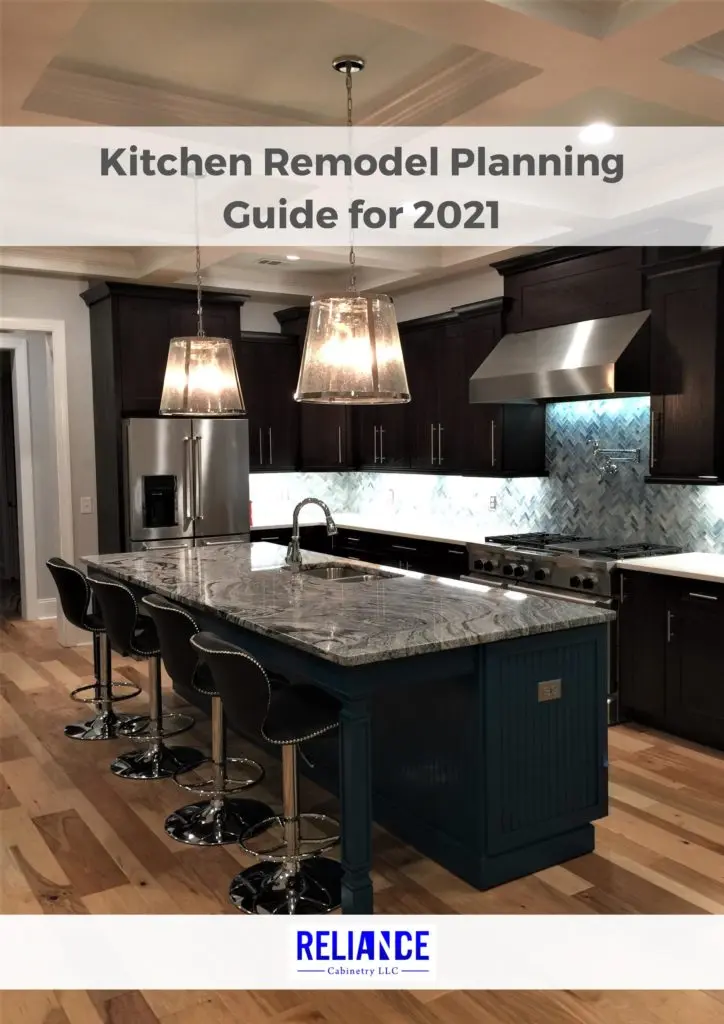

A kitchen remodeler checklist is essential to keep your renovation organized and stress-free. Whether you’re aiming to boost functionality or enhance aesthetics, a well-thought-out checklist ensures nothing gets overlooked. Proper planning and organization are crucial for a successful remodel, minimizing delays and unexpected costs. This guide integrates real-life experiences of Edward Myers with data-driven insights to offer practical advice on budgeting, safety, and customization. By following these steps, you can transform your kitchen into a space that is both beautiful and functional. Ready to dive in? Let’s get started on your kitchen remodel journey!
Planning Your Kitchen Remodel

Planning a kitchen remodel can be both exciting and overwhelming. Ensuring you have a well-thought-out plan can save you time, money, and stress. Here’s a simple guide to get you started.
Discuss the Importance of Initial Planning:
The first step in your kitchen remodel journey is to plan. Think about what you want to achieve with your remodel. Do you need more storage space? Do you want a more modern look? Or perhaps you’re dreaming of a chef’s kitchen with high-end appliances. Establishing clear goals helps keep the project on track.
Outline How to Establish Goals for the Remodel:
Write down a list of what you want to change. Maybe you want a new set of cabinets, a bigger kitchen island, or more efficient cooking zones. Rank these items by priority. This will help you focus on what’s most important.
Stress the Need for a Realistic Budget and Timeline:
Budget and time are two critical components of any remodeling project. Start by determining how much you’re willing to spend. Factor in costs for materials, labor, and unexpected expenses. A realistic budget will prevent any financial surprises along the way.
Similarly, set a timeline. Consider how long each phase of the project will take. For instance, cabinet installation might take a week, while appliance setup could take a couple of days. Include buffer time for any delays.
Tips on Hiring a Reputable Contractor:
Hiring the right contractor can make or break your project. Look for someone with good reviews and a proven track record. Get recommendations from friends or family. Always check their credentials and ask for references.
Budgeting & Timeline:
Breakdown Costs: Appliances, Materials, Labor:
Understanding the costs involved can help you plan better. Appliances can be a significant expense, ranging from a few hundred to several thousand dollars depending on the brand and features. Materials like countertops, flooring, and tiles also vary in price. Don’t forget labor costs, which can also add up quickly.
Time Management Tips: Scheduling, Avoiding Delays:
Create a detailed schedule. Break down each task and assign a timeframe. This helps you and your contractor stay on track. Avoid delays by ordering materials in advance and ensuring everything is ready before starting the next phase.
Contractor Selection:
What to Look for in a Contractor:
A good contractor should be experienced, licensed, and insured. They should be able to provide a clear timeline and budget. Look for someone who communicates well and understands your vision.
Questions to Ask Before Hiring:
- How many kitchen remodels have you completed?
- Can you provide references from previous clients?
- What is your estimated timeline for this project?
- How do you handle unexpected issues or changes?
Having a checklist can make the whole process smoother. Your kitchen remodeler checklist should include everything from initial planning to the final touches. This ensures you don’t miss any critical steps and helps you stay organized.
Remember, planning is key to a successful kitchen remodel. By setting clear goals, managing your budget and timeline, and hiring the right contractor, you can transform your kitchen into the space you’ve always dreamed of. Happy remodeling!
Essential Components of a Kitchen Remodel Checklist

Remodeling your kitchen can be a big project, but with the right kitchen remodeler checklist, it can be a lot easier to manage. Let’s dive into the essential components you need to consider for a successful kitchen remodel.
Structural Changes
Start by looking at the structural changes you might need. This includes things like walls, flooring, plumbing, and electrical work. If you need to knock down a wall to create an open space, make sure it’s not a load-bearing wall. Upgrading your flooring can make a big difference too. Think about materials that are both durable and easy to clean.
Plumbing and electrical work should be handled by professionals to ensure everything is safe and up to code. For example, if you want to add an island with a sink, you’ll need to reroute plumbing. Don’t forget about electrical outlets; you’ll need plenty for all your new gadgets and appliances.
Cabinetry and Storage Solutions
Next, consider your cabinetry and storage solutions. Cabinets are a big part of your kitchen’s look and functionality. Think about the space you have and how you can maximize it. Pull-out shelves, lazy Susans, and built-in spice racks can help you make the most of your storage.
If you have a lot of small appliances like a toaster or blender, you might want to plan for appliance garages or extra cabinets to keep your countertops clear. Custom cabinets can be tailored to your needs, but they can also impact your budget.
Countertops and Workspaces
Countertops and workspaces are where the magic happens in your kitchen. You want something that’s both beautiful and functional. Granite and quartz are popular choices because they are durable and easy to clean. Think about how much workspace you need for cooking and baking. An island can provide extra countertop space and also serve as a casual dining area.
Appliances and Fixtures
When it comes to appliances and fixtures, think about what you use every day. Do you need a new refrigerator, stove, or dishwasher? Modern appliances can be more energy-efficient and have features that make cooking easier. For example, a double oven can be great if you often cook for large gatherings.
Fixtures like sinks and faucets are also important. A deep sink can make washing large pots and pans easier. Consider a pull-out spray faucet for added convenience.
Safety Considerations
Safety is crucial, especially if you have kids or seniors in your home. Here are some safety tips:
- Install non-slip flooring to prevent falls.
- Make sure your layout allows for easy movement.
- Use rounded countertop edges to avoid injuries.
Also, ensure your kitchen remodel complies with local building codes. This might include things like proper ventilation and fire safety measures.
Customization Options
Finally, think about how you can customize your kitchen to fit your cooking habits. If you love baking, you might want a built-in oven with a proofing drawer. If you enjoy hosting parties, a wine fridge or a second dishwasher could be great additions.
Luxury additions like heated floors or a pot filler faucet can make your kitchen more enjoyable but remember they can also raise your overall costs. Always balance your wants with your budget.
Conclusion
A well-thought-out kitchen remodeler checklist can make your renovation project smoother and more successful. From structural changes to safety considerations, each step is crucial. Customize your kitchen to fit your lifestyle, and you’ll create a space that’s both functional and beautiful. Happy remodeling!
Installation and Execution

Focus on the Execution Phase:
Embarking on a kitchen remodel can be both exciting and overwhelming. To ensure a smooth process, it’s crucial to focus on the execution phase. Let’s dive into the essentials.
Step-by-Step Guide for Installation
- Plan and Prepare: Start by creating a detailed project checklist. Make sure to list all the tasks, materials, and timelines. This will help keep your kitchen remodel on track.
- Coordinate Trades: Communicate with all the trades involved, such as electricians, plumbers, and carpenters. Coordination ensures everyone knows what to do and when to do it.
- Appliance Installation: Install appliances like ovens, refrigerators, and dishwashers as per the plan. Make sure they fit well within the designated spaces.
- Cabinet Installation: Install cabinets securely. Double-check their alignment and functionality.
- Countertops and Backsplashes: Install countertops and backsplashes. These elements add both functionality and style to your kitchen.
- Final Touches: Add finishing touches like lighting, faucets, and hardware. These details complete the look of your remodeled kitchen.
Quality Control Measures During Installation
- Regular Inspections: Conduct regular inspections to ensure everything is going as planned. Check for any mistakes or discrepancies.
- Safety Checks: Make sure all installations meet safety standards. This is especially important for electrical and plumbing work.
- Detailed Documentation: Keep detailed records of all installations. This helps in future maintenance and repairs.
- Feedback Loop: Encourage feedback from your contractor and tradespeople. This helps in identifying and correcting issues early on.
Common Pitfalls to Avoid:
When it comes to a kitchen remodel, it’s easy to make mistakes. Here are some common pitfalls and tips to avoid them.
Highlight Frequent Mistakes and How to Avoid Them
- Underestimating Time and Budget: One of the most common mistakes is underestimating the time and budget required. Always add a buffer for unexpected expenses and delays.
- Ignoring Workflow: Ensure the design follows the kitchen “work triangle” – the path between the stove, sink, and refrigerator. This makes cooking more efficient.
- Poor Communication: Lack of communication can lead to misunderstandings. Regularly update all involved parties on the progress and any changes.
- Skipping Quality Control: Skipping quality checks can result in subpar work. Regular inspections can help avoid this.
Tips for Dealing with Unexpected Issues
- Flexible Planning: Be prepared to adjust your plan. Flexibility can help deal with unexpected issues without derailing the entire project.
- Keep Extra Materials: Having extra materials like tiles or paint can be a lifesaver in case of mistakes or breakages.
- Stay Calm: It’s natural to face hiccups during a remodel. Stay calm and work with your contractor to find solutions.
- Consult Experts: When in doubt, consult experts. Their experience can provide valuable insights and solutions.
In conclusion, a successful kitchen remodel requires careful planning, coordination, and quality control. By avoiding common pitfalls and being prepared for unexpected issues, you can transform your kitchen into a beautiful and functional space. Follow this guide, and you’ll be well on your way to achieving your dream kitchen.
Post-Remodeling Tips

Completing a kitchen remodel is exciting! But, once the contractors leave, there are still some steps to take to ensure everything is perfect. This guide will help you navigate the final stages of your project.
Final Inspections and Approvals
Before you start using your new space, make sure all inspections are completed. Your contractor should arrange for this, but it’s good to double-check. Inspect each part of your remodel:
- Check cabinets to ensure they open and close smoothly.
- Test all appliances to make sure they are functioning correctly.
- Verify that the electrical and plumbing work meets safety standards.
Having these checks will help you avoid any glitches later on.
Cleaning and Maintenance Tips
Your new kitchen looks amazing, but keeping it that way requires a bit of effort.
- Deep clean all surfaces to remove any dust or debris left from the construction.
- Clean appliances according to the manufacturer’s guidelines.
- Maintain your new cabinets by wiping them down with a gentle cleaner.
Regular maintenance ensures that your kitchen stays in top condition.
Warranty and Service Information for New Installations
Most new installations come with warranties. It’s crucial to:
- Keep all warranty documents in a safe place.
- Note the service numbers for each appliance.
- Set reminders for when you need to perform routine maintenance.
Knowing how to use your warranties can save you money and stress in the long run.
Maximizing Your New Kitchen
Now that your kitchen is ready, it’s time to make the most of it!
Organizing and Settling into the New Space
Start by organizing your kitchen to suit your cooking habits.
- Place frequently used items in easy-to-reach areas.
- Utilize drawer organizers to keep utensils in order.
- Label shelves if it helps you stay organized.
A well-organized kitchen makes cooking more enjoyable.
Efficient Use of New Appliances and Features
New features and appliances can streamline your kitchen activities.
- Learn how to use each appliance effectively. Most come with user manuals; take the time to read them.
- Try out new recipes to test the capabilities of your gadgets.
- If you have a smart oven, explore its different modes and settings.
These steps can help you get the most out of your new kitchen.
Hosting a “Kitchen Warming” Event to Celebrate the New Space
Finally, celebrate your new kitchen by inviting friends and family over.
- Plan a small gathering to show off your remodeled space.
- Prepare a few simple dishes to highlight your new kitchen’s features.
- Share your remodeling journey and tips with your guests.
This is a great way to enjoy your new space and make lasting memories.
Conclusion
Your kitchen remodel is a significant investment in your home. By following these post-remodeling tips, you’ll ensure that your new space stays beautiful and functional for years to come. Enjoy your new kitchen and happy cooking!
Making the Most of Your Kitchen Remodel: Final Thoughts
In planning and executing your kitchen remodel, remember that detailed planning and execution are key. A well-thought-out remodel can transform your kitchen into a space that reflects your unique style and meets your practical needs. Ready to take the next step? Contact us for a design consultation or request a quote tailored to your vision. Let’s bring your dream kitchen to life. Call us at (912) 344-6500 or fill out our form here. We’d love to hear your experiences and tips. Share your thoughts and let’s create something amazing together!