
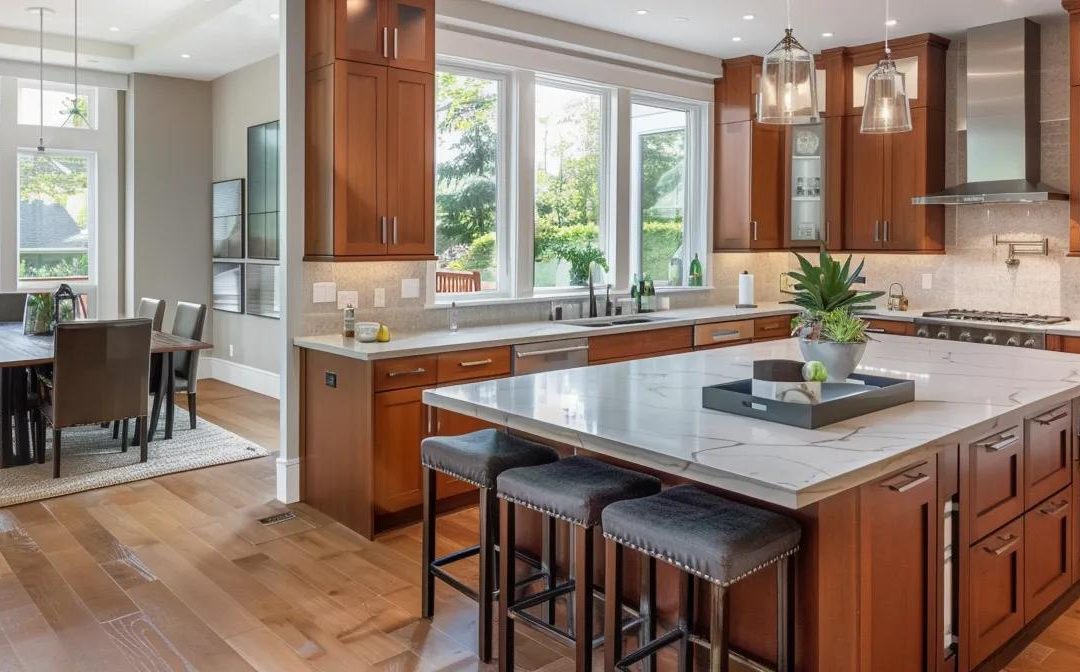
Custom cabinets can dramatically transform a kitchen, balancing function with aesthetics while enhancing the overall value of your home. Homeowners in Savannah, GA—especially those embarking on kitchen remodeling projects—often wonder how to establish a proper budget that covers everything from materials to labor. This article provides an in-depth guide to determining your custom cabinet budget, with detailed insights into project scope, cost per linear foot, key influencing factors, and strategies for tracking and adjusting costs over time. Whether you are interested in solid wood cabinets, options combining particleboard and hardwood, or designs featuring crown molding and premium finishes, understanding these elements, along with considerations, will empower you to make informed decisions that match your budget and design aspirations.
Determining Your Custom Cabinet Budget
Setting the right budget for custom cabinetry begins with a thorough determination of what your project entails. Homeowners must assess the overall project scope by considering the size of the kitchen, the number of cabinets needed, and design intricacies that affect cost. For instance, opting for solid wood or high-end veneers over particle board can drive up material expenses. Likewise, layout complexities such as kitchen islands, pantries, or built-in integration with appliances require careful planning. Your budget should be informed by both aesthetic desires and practical needs, from functional drawer systems to specialized lighting integrations.
Assessing the Overall Project Scope
When determining your project scope, start by evaluating the entire kitchen area and how the cabinets will serve storage and display functions. Consider the cabinetry for upper and lower units, islands, and any specialty units you want for items like spices or utensils. The project scope not only covers physical dimensions but also the design challenges such as integrating crown molding and multiple finishes. Moreover, the total area for custom cabinets may affect overall pricing on a per linear foot basis. A comprehensive site evaluation is the first step in understanding how extensive your cabinet layout will be, taking into account existing countertop materials, cabinet depths, and even the accessibility options—factors that influence both overall cost and long-term durability.
Evaluating Kitchen Layout and Storage Needs
A key part of budgeting custom cabinets involves identifying and prioritizing storage needs based on your kitchen layout. Homeowners should determine if they need specialized units like pull-out pantry systems, deep drawers for pots and pans, or corner cabinets designed to maximize awkward spaces. Reviewing your kitchen’s flow along with its ergonomics also dictates how much cabinet space is necessary. The integration of modern design elements like hidden trash chutes or soft-close hinges is also a consideration, especially when durability and aesthetics are paramount. This evaluation should include detailed sketches or digital blueprints, ensuring every inch of available space is optimally used without compromising style.
Establishing Cost Benchmarks for Custom Cabinetry
Once you assess your needs and layout, establishing cost benchmarks is the next critical step. Benchmarks serve as a guideline based on local pricing data, material quality, manufacturing methods, and labor charges. For example, custom cabinetry installation in homeowners’ areas might tend toward the upper end of budgets if it involves fine woods such as cherry or walnut. In contrast, designs that incorporate medium-grade materials like fiberboard or plywood can offer a cost-effective alternative yet still maintain a premium feel. Researching local projects, consulting with kitchen remodeling experts, and reviewing industry reports (such as those from HomeAdvisor or national cabinet manufacturers) can set realistic expectations about per linear foot pricing. These benchmarks help you determine whether you are allocating sufficient funds or if adjustments need to be made based on estimated timeframes and material costs.
Analyzing Custom Cabinet Cost Per Linear Foot
Custom cabinet cost per linear foot is a vital metric that provides a clear measurement of your investment relative to installation size. This analysis enables homeowners to compare different design options and material choices. Whether you prefer the traditional appeal of solid wood or the cost-effective benefits of engineered wood products, knowing the average cost helps set clear expectations and supports better negotiating with vendors.
Understanding Measurement Methods
Cost per linear foot calculations start with accurate measurements of your cabinet installation area. This involves measuring the total length of all cabinet units, including islands and additional storage pieces, in linear feet. It is crucial to factor in allowances for standard overhangs or custom design adjustments. Homeowners should also be mindful of design details that could affect measurements, such as varying cabinet heights or specialty corners that may not conform to straightforward linear calculations. Precision in measurement leads to more accurate estimates and prevents unexpected cost overruns during installation. Professional measurements might also be recommended to avoid errors, particularly in complex layouts.
Reviewing Material Quality Implications
The material selected for your cabinets significantly impacts the cost per linear foot. High-quality solid wood cabinets often command premium prices due to their durability, timeless aesthetics, and potential return on investment. In contrast, engineered options like particle board or fiberboard provide more affordable solutions but may require additional finishing or molding work. Other factors, such as exotic wood types like hickory or cherry, can lead to higher costs with enhanced visual appeal and longevity. Research studies have indicated that using solid wood materials can provide better resistance to wear and tear over time, thus reducing maintenance and enhancing overall value for modern cabinetry. Quality differences should therefore be considered not only in initial cost but also in long-term durability and maintenance expense outcomes.
Comparing Labor Variability
Labor costs vary widely based on the complexity of the cabinet design and the expertise required. Fully custom cabinetry often comes with higher labor expenses due to intricate joinery, hand-crafted details, and specialized installations. Additionally, local labor rates can differ due to regional factors; for example, custom cabinet installations in Savannah, GA may range differently compared to urban centers. Skilled craftsmanship can also lead to higher upfront costs, but often translates to a superior finish that boosts long-term performance and visual appeal. When analyzing cost per linear foot, consider that labor costs may account for a substantial percentage of your budget. Engaging with reputable contractors and seeking detailed quotes helps in comparing these variances efficiently, ensuring that you are prepared for any financial surprises.
Identifying Key Factors Influencing Budget

Several critical factors determine the final budget for your custom cabinetry project. Beyond raw material and labor costs, the design elements, installation requirements, and additional features can influence overall pricing significantly. Manufacturers and remodeling contractors typically consider these factors together when providing an estimate.
Cabinet Style Selection
The style of cabinets you choose is a major determinant of cost. Options range from contemporary minimalist designs to ornate traditional cabinetry. For example, modern flat-panel cabinets tend to be less labor-intensive and are often available in cost-effective engineered materials. In contrast, raised-panel cabinets with detailed moldings and associated hardware require intricate woodworking and result in higher costs per linear foot. Furthermore, modern trends like glass-front panels or integrated lighting can increase production complexity. According to industry research, homeowners opting for luxury styles such as rustic oak or can expect an increase of 25–40% in overall costs compared to simpler designs. Cabinet style selection must, therefore, balance aesthetic aspirations with realistic budget constraints while considering potential resale value benefits.
Material Choices and Durability
Your selection of materials—whether opting for solid wood, plywood, or fiberboard—directly impacts both the initial investment and long-term durability. High-quality solid wood cabinets, while more expensive, tend to offer superior strength and resistance to wear and tear. Conversely, options like particle board with a laminate finish present an affordable alternative but may be less durable in the long run. Durability is tied to factors such as humidity resistance, finish quality, and the overall construction technique. For instance, hardwood options like maple or oak offer timeless beauty and longevity, often justifying higher upfront costs with extended service life. Balancing these material choices with your desired cabinet style and expected usage patterns is key to ensuring that your investment continues to meet your needs over time.
Installation and Craftsmanship Complexity
The complexity of installation can greatly influence the budget of custom cabinets. Projects that involve intricate layouts, multiple levels of cabinetry, or integration with existing structures (like kitchens with irregular shapes) demand higher craftsmanship levels. Specialized installations, such as those involving built-in lighting systems or custom drawer solutions, require advanced skills and often more time to complete. Experienced craftsmen may charge higher hourly rates, but the benefit is a more precise and reliable installation that minimizes future issues related to structural integrity or lid misalignment. In such cases, the additional cost may be considered an investment in quality and longevity. Manufacturers emphasize that precision in installation is crucial for achieving a seamless look and optimal functionality, reducing the likelihood of costly repairs or adjustments later on.
Estimating Material and Labor Expenses

Estimating both material and labor expenses accurately is critical to setting a feasible custom cabinet budget. These estimates are based on the current market rates for raw materials, local labor costs, and the overall complexity of the project. For homeowners, understanding these costs helps prevent unexpected budget overruns and ensures that the finished cabinetry aligns with both your aesthetic and functional requirements.
Pricing for Premium Raw Ingredients
The quality of raw ingredients, including the types of wood, veneers, laminates, and hardware, plays a significant role in your final budget. Premium raw materials like solid walnut, cherry, or high-grade oak come with a higher price tag, reflecting their durability and rich visual appeal. For instance, high-end kitchen cabinets that use solid wood are estimated to cost between $150 and $250 per linear foot in material expenses alone. Additionally, these price points are influenced by factors such as sourcing (domestic vs. imported), seasonality, and fluctuations in market demand. For homeowners willing to invest in long-lasting aesthetics, premium materials tend to offer a better return on investment through enhanced durability and timeless visual appeal. Manufacturers also note that investing in high-quality raw ingredients can significantly lower long-term maintenance costs, as these materials typically perform better against moisture, wear and tear, and design obsolescence.
Cost Variations Among Local Trades
Local labor rates for cabinet installation can fluctuate based on regional economic factors and the specific expertise of the tradespeople involved. In Savannah, GA, for example, labor rates are impacted by local market conditions and the availability of skilled carpenters. Detailed cost breakdowns might reveal that labor can account for 40–60% of the overall project budget. This variation includes not only the physical installation of the cabinets but also any custom finishing work required to achieve a flawless look. Obtaining multiple quotes from reputable local contractors is advisable. In addition, some manufacturers offer turnkey services that integrate both material supply and installation, potentially providing savings through bundled pricing. Understanding these local trade cost variations is essential for accurate budgeting and for comparing the true cost-effectiveness of different vendors. A table comparing estimated labor rates across several local trades can provide further insights.
| Contractor Type | Estimated Labor Rate per Hour | Notes |
|---|---|---|
| High-End Custom Cabinet | $60–$80 | High skill and meticulous craftsmanship |
| Standard Custom Install | $45–$60 | Balanced skill and speed |
| Turnkey Service Provider | Bundled Pricing | Material & installation savings |
| Budget Installers | $30–$45 | May compromise on finishing quality |
| Specialist Carpenters | $50–$70 | Focus on detail and specialized installations |
Integration of Accessory Components
In addition to the core cabinetry, accessory components such as soft-close hinges, specialized door pulls, internal organization systems, and integrated lighting add to the overall cost. These add-on features can enhance functionality and overall design appeal but also require additional material and labor investments. Homeowners should allocate funds specifically for these components as they often exceed the standard cost per linear foot estimates. For example, premium internal organization systems like pull-out shelves or custom drawer dividers might add an extra 10–15% to the overall project cost, but they improve both usability and return on investment. It’s also important to account for finishing details, including paint, stain, or glazing, which further increase expenses while ensuring a polished final product. Creating a detailed list of desired accessory components alongside their cost estimates will help ensure comprehensive budgeting.
- List of accessory components to consider:
- Soft-Close Hinges: These mechanisms reduce wear and tear and offer a quieter closing experience. Expect an additional cost per cabinet unit.
- Custom Drawer Dividers: Enhance organization and maximize space efficiency, particularly in kitchen pantries.
- Integrated Lighting Systems: Adding LED lighting can accentuate design features and provide practical benefits during food preparation.
- Specialized Door Pulls: Unique handles crafted from solid materials like brushed stainless steel or wrought iron add a touch of luxury.
- Internal Organizers: Components like pull-out spice racks or sliding trays optimize storage and can be integrated with minimal additional installation complexity.
Comparing Custom Cabinet Options

When planning your cabinet project, there are several options available ranging from fully tailored cabinetry to semi-custom designs. Each option comes with its own cost and design benefits, and understanding these differences is essential for aligning your final product with your budget and design goals. Comparing various options ensures you find a balance between handcrafted perfection and cost-effectiveness, truly reflecting your style and home improvement aspirations.
Evaluating Fully Tailored Cabinetry
Fully tailored cabinetry is the pinnacle of custom design, offering an entirely personalized product that meets every specific requirement. In fully tailored options, manufacturers design every cabinet detail, from the exact dimensions to the finish, with no compromises. Often constructed from premium materials such as solid wood and finished by skilled artisans, these cabinets command a higher cost, sometimes 30–50% above semi-custom alternatives. Homeowners opting for fully tailored cabinets typically desire a unique design that integrates seamlessly with their kitchen layout and overall interior design. The process usually involves in-home consultations, custom sketches, and meticulously matched finishes, ensuring that every inch of space is optimized. Such installations often come with a comprehensive warranty, acknowledging the accountability for precision and design delicacy. Although the investment is significant, fully tailored cabinetry can provide exceptional longevity and enhance the overall value of your home, making it an attractive option for those with the budget to match their design aspirations.
Assessing Semi-Custom Alternatives
Semi-custom cabinetry represents a middle ground between off-the-shelf solutions and fully bespoke designs. These options typically allow for a range of finishes and configurations while using more standard construction methods and materials like fiberboard or plywood with quality laminates. Semi-custom cabinets enable homeowners to modify design aspects such as door styles, interior layout, and hardware while keeping costs more controlled. For many, this is a practical option as it offers substantial customization without the premium price of fully tailored solutions. They are produced more rapidly due to standardized manufacturing processes, and many reputable manufacturers provide extensive warranties and quality assurances that make them a dependable choice. This balance of customization and cost-efficiency is ideal for homeowners who are remodeling their kitchen on a moderate budget while still desiring a personalized look. A structured list comparing the benefits of semi-custom cabinetry can further clarify the advantages.
- List comparing benefits of semi-custom cabinetry:
- Cost-Effective Customization: Offers design choices at a fraction of the cost of fully tailored options.
- Faster Turnaround: Streamlined manufacturing processes mean quicker production and installation.
- Broad Availability: More design variations and color options available in the current market.
- Warranty and Support: Typically comes with robust warranties ensuring long-term satisfaction.
- Flexibility: Allows for modifications in layout and finish without major design overhauls.
Differentiating Design Intricacies
Even within fully tailored and semi-custom options, the design intricacies can vary widely. Factors such as door style, drawer configurations, and finishing techniques can significantly influence the overall aesthetic appeal and functionality of the cabinets. For instance, cabinets with intricate moldings and raised-panel designs require advanced carpentry skills, thereby increasing both material and labor costs. Meanwhile, simpler, flat-panel designs might sacrifice some visual impact but offer superior cost efficiency and speed of installation. Understanding these intricacies is essential when comparing options, as they directly impact how your cabinet design performs in practical use and in terms of longevity. Manufacturers often provide detailed design blueprints and case studies that highlight the cost implications of various design elements, allowing homeowners to make choices that best reflect their lifestyle and expectations. These design differences not only affect your immediate budget but also determine the durability of the installation over time.
Budgeting for Add-on Features and Upgrades

When customizing your kitchen cabinets, add-on features and upgrades can substantially enhance both functionality and visual appeal. Budgeting for these enhancements is crucial for homeowners who want their custom cabinetry to stand out while meeting every practical need. From specialized door styles to internal organizational systems, each upgrade contributes to the final look and usability of the cabinets.
Selecting Specialized Door Styles
Specialized door styles, such as shaker, raised-panel, or glass-front options, add a refined aesthetic to your kitchen cabinets. These styles often require advanced manufacturing techniques, thereby increasing both material and labor costs. For example, raised-panel doors, which involve intricate detailing and additional layers of wood, can add a premium to the overall project. Additionally, integrating features like soft-close mechanisms or matte finishes can elevate the design further. Homeowners who prioritize the visual appeal of their cabinets should consider the potential long-term benefits of investing in these specialized styles. Not only do they enhance the kitchen’s aesthetic, but they also contribute to improved usability and reduced maintenance, as high-quality finishes better resist predictions of wear and tear over time.
Considering Internal Organization Systems
Internal organization systems are upgrades that improve the functionality of your cabinetry by ensuring that storage space is used efficiently. Options such as pull-out spice racks, deep drawers with built-in dividers, and adjustable shelving systems allow for better organization and accessibility. These systems maximize the storage potential within a given cabinet space and create a more organized kitchen environment. Powerful internal organizers can be customized to accommodate everything from cookware to pantry items, ensuring that every item has a designated space. Although the initial investment in these add-ons may increase the overall project cost, they provide a valuable return on investment by optimizing space and improving the daily kitchen experience. Homeowners should carefully consider which organization features align with their kitchen usage patterns and specific storage needs.
Allocating Funds for Finishing Details
Finishing details such as custom paint, stains, and protective sealants are critical in defining the final appearance and durability of your cabinets. These components not only enhance the visual appeal by highlighting grain patterns and color but also play a significant role in protecting the cabinets from moisture, scratches, and general wear. Finishing details can include intricate touches like distressed finishes or high-gloss lacquers, which add a unique character to every piece. While these upgrades can raise the initial cost, the investment is often justified by the increased longevity and overall quality of the finished cabinetry. Homeowners should obtain detailed quotes that break down the expense for each finishing element, ensuring that their custom cabinet budget comprehensively covers all aspects of design and functionality.
Balancing Budget With Design Aspirations

Balancing your budget with your design aspirations is an essential part of the kitchen remodeling process. While it is tempting to choose every high-end feature available, maintaining a balance between cost and design ensures that your final product is both attractive and financially viable over time. This section provides guidance on how to navigate compromises and achieve a consistently appealing result without overspending.
Prioritizing Must-Have Design Elements
Not every design trend or additional feature is essential for your custom cabinets. Homeowners should critically evaluate which elements are non-negotiable for achieving the kitchen look they desire. For instance, features like soft-close drawers, patented hardware designs, or integrated lighting systems might be essential for some, while for others, a sustainable finish or a unique door style might take precedence. Prioritizing these core elements creates a clear framework for budgeting, ensuring that you allocate funds where they are most needed. Studios and industry experts often recommend listing all desired features and then categorizing them based on necessity versus luxury. This method helps prevent overspending on optional upgrades and focuses the budget on high-impact design components that serve both functionality and visual appeal.
Adjusting Features Based on Cost Constraints
Once core priorities are set, you may still need to adjust certain features to accommodate remaining cost constraints. For example, if a fully custom design with premium hardwood exceeds your budget, you might consider semi-custom alternatives that provide similar aesthetics at a lower cost. Adjustments can also be made by selecting less expensive finishes or scaling back on intricate detailing without significantly affecting the overall design quality. Flexibility in the planning stage is key—review vendor estimates and consider phasing in upgrades over time to spread costs. Maintaining communication with your contractor is crucial, as they can suggest cost-effective modifications that preserve design integrity. Ongoing research, including detailed cost comparisons and regional price trends, can offer insights on where adjustments can be made without compromising the final result.
Securing Expert Insight on Budget Planning
Consulting with industry experts such as professional kitchen designers and remodeling contractors is invaluable. These professionals bring a wealth of experience in balancing high design aspirations with realistic budgeting. They can provide advice on material selection, installation techniques, and even negotiation strategies with vendors. By leveraging expert insight, homeowners gain access to the latest design trends, market rate information, and creative solutions that fit within their financial limits. Typically, a detailed consultation session includes reviewing your current kitchen layout, discussing future needs like increased storage or enhanced lighting, and providing tailored recommendations. This collaborative process ensures that every dollar spent contributes to a product that is both visually stunning and durable over time. Expert insights thus become a critical part of the budgeting process, bridging the gap between dream design and practical execution.
Tracking and Adjusting Your Custom Cabinet Budget

Keeping an ongoing record of budget expenditures is crucial for the success of any custom cabinet project. Tracking helps prevent overruns and allows homeowners to make data-driven adjustments throughout the project lifecycle. An effective system for recording vendor estimates, invoices, and any unexpected costs ensures that your project remains financially on track without sacrificing design quality.
Monitoring Expenditures Throughout the Project
Diligent monitoring of expenses should begin as soon as the project starts. Homeowners are encouraged to use budgeting software or a detailed spreadsheet to log every cost component, including material purchases, labor charges, and finishing details. Regular reviews of these expenditures not only help identify cost overruns early but also provide a comprehensive view of the overall project costs. For instance, if initial estimates for installation labor begin to surpass projections, you can address these issues promptly by renegotiating terms with contractors or adjusting design plans. Additionally, frequent updates allow homeowners to compare current spending against the original budget, ensuring that the financial plan aligns with evolving project demands. Such proactive tracking is essential for maintaining clarity and control throughout the custom cabinetry process.
Recording Vendor Estimates and Invoices
Accurate record-keeping of vendor estimates, quotes, and final invoices forms the backbone of effective cost management. Homeowners should collect all documentation related to material costs, labor, and accessory components. By keeping these records organized, you can easily reference specific details when making decisions or confronting discrepancies. Proper documentation also facilitates easier negotiations with contractors, as you have concrete data on what has been agreed upon and what adjustments might be necessary. Furthermore, detailed record-keeping is invaluable for future projects, as it helps build a realistic picture of average expenditures and effective budgeting strategies. Ideally, every vendor interaction should result in a written estimate that is later compared to the final invoice, ensuring transparency at every stage of the project.
Revising Plans Based on Updated Cost Data
As the custom cabinet project progresses, ongoing changes and unexpected expenses may necessitate revisions to your original budget. It is important to remain flexible and adjust plans based on up-to-date cost data. For instance, if the price of premium raw materials increases or if labor rates fluctuate unexpectedly, these changes should be promptly reflected in your budget. Regular meetings with your contractor and suppliers can help identify these changes early on, allowing you to reallocate funds or modify design details to stay within your financial boundaries. In some cases, revising plans might involve delaying non-essential upgrades until after final installation, ensuring that the main project remains on track. Adapting dynamically to updated cost data is key to maintaining both quality and financial discipline throughout the project. An effective revision strategy can save you significant stress and financial setbacks during the remodeling process.
Answering Common Inquiries About Custom Cabinet Budgets

Addressing common questions about custom cabinet budgets helps clarify uncertainties many homeowners face when starting their remodeling projects. From understanding budget ranges for varied projects to reviewing case studies of previous builds, well-informed answers provide additional insights and practical tips. Below is a comprehensive review of typical inquiries related to custom cabinet budgeting.
Clarifying Budget Ranges for Varied Projects
Custom cabinet projects can vary widely in cost based on size, materials, design choices, and labor complexity. For smaller kitchens or basic designs using engineered woods, budgets may begin around $5,000–$10,000. Conversely, projects incorporating premium materials like solid hardwood, intricate designs, and specialized add-ons may exceed $20,000 or more. By providing clear budget ranges, homeowners can better plan their expenditures according to both the scope of the project and available funds. In addition, market data from sources like HomeAdvisor indicates that a well-executed custom kitchen remodel can add significant value to your home, justifying the expenditure.
Reviewing Case Studies of Previous Builds
Real-world case studies offer excellent benchmarks to compare against your custom cabinetry project. For example, one case study detailed a kitchen remodel in a historic home where a combination of semi-custom and fully tailored cabinetry increased the home’s value by over 15% at a total cost of approximately $18,000. Another project in a modern urban home utilized streamlined, minimalist designs with integrated technology enhancements, resulting in a project cost of around $12,000 while improving energy efficiency and functionality. These examples illustrate the variability in project costs according to design choices and market conditions, providing homeowners with tangible examples to guide their own budgeting process.
Offering Tips for Realistic Financial Planning
Effective financial planning for custom cabinetry involves more than just obtaining quotes; it requires a strategic approach that accounts for contingencies. Tips for staying within budget include: – Creating a detailed checklist of all desired features before meeting with vendors. – Allocating an extra 10–15% contingency fund for unexpected expenses. – Consulting multiple contractors to compare their quotes and negotiating for better rates. – Prioritizing must-have elements and identifying optional upgrades to defer if necessary. – Regularly reviewing spending logs and updating your budget based on real-time cost data. These tips, drawn from both industry experts and documented case studies, provide a robust framework for ensuring that your custom cabinet project meets both your aesthetic desires and financial constraints.
Frequently Asked Questions
Q: How do I start planning my custom cabinet budget?
A: Begin by assessing your overall kitchen layout and design needs. Evaluate the number of cabinets, storage requirements, material preferences, and any special design features you want. Research local cost benchmarks for materials and labor to set realistic expectations for your project.
Q: What factors most influence the cost of custom cabinets?
A: Key factors include the choice of materials (such as solid wood versus particle board), the complexity of design and installation, cabinet style, and additional upgrades like specialized door styles or internal organizers. Labor costs and regional pricing variations also play significant roles in the overall budget.
Q: Are fully tailored cabinets worth the higher cost compared to semi-custom options?
A: Fully tailored cabinets offer superior personalization, premium materials, and exquisite craftsmanship, which can increase home value. However, semi-custom cabinets provide many design options at a lower cost while still delivering quality finishes. Your choice should depend on your budget, design priorities, and long-term usage expectations.
Q: How important is it to track expenditures during a cabinet renovation?
A: Tracking expenditures is crucial. Detailed budgeting and regular monitoring help prevent cost overruns and allow for timely adjustments. Maintaining a comprehensive record of vendor estimates, invoices, and changes ensures financial control and a smooth remodeling process.
Q: What should I do if my project costs exceed my initial budget?
A: If costs exceed initial estimates, review your budget and consider scaling back on non-essential upgrades. Consult with your contractor to identify cost-effective alternatives and reallocate funds where necessary. Maintaining a contingency reserve is also essential to handle unexpected expenses without compromising the overall project quality.
Key Takeaways
- Determine your custom cabinet budget by assessing overall project scope, kitchen layout, and storage needs.
- Analyze costs per linear foot with a focus on measurement methods, material quality, and labor variability.
- Identify key factors such as cabinet style, material choices, and installation complexity that influence budget.
- Estimate expenses carefully by factoring in premium raw materials, local labor costs, and accessory components.
- Compare fully tailored and semi-custom options to balance design aspirations with cost constraints.
- Monitor and adjust your budget continuously using detailed records, vendor estimates, and revised plans.
- Address common inquiries by clarifying budget ranges, reviewing case studies, and offering practical financial planning tips.
Final Thoughts
Custom cabinetry involves a multifaceted approach to budgeting that balances design aspirations with financial realities. By assessing project scope, analyzing material and labor costs, and tracking expenditures diligently, homeowners can ensure a successful remodeling project tailored to their individual needs. With expert insight and strategic planning, you can achieve exceptional results that elevate both functionality and aesthetic appeal. Empower yourself with this guide to make informed decisions that enhance your kitchen’s overall value and design.

- How Do I Ensure the Cabinets I Choose Will Fit My Kitchen Layout Properly - October 1, 2026
- What Are The Best Cabinet Styles for Small Kitchens in Savannah - September 1, 2026
- What Factors Determine the Cost of Kitchen Cabinet Replacement Services - August 3, 2026
